
Despite significant progress and promising opportunities in the energy sector, Greece continues to face several challenges that could impact its long-term energy strategy. These challenges stem mainly from technical limitations and grid incompatibilities, regulatory and administrative barriers, financial constraints, and environmental and social factors. A particularly persistent issue is the increasing frequency of energy curtailments, as energy production often exceeds demand, causing grid stability problems due to the increasing penetration of renewables. This makes system balancing a complex, almost daily challenge for grid operators.
The curtailment issue is expected to intensify further as installed capacity continues to rise and the national grid faces growing operational challenges. Addressing RES production curtailments requires a comprehensive approach, combining technological upgrades, regulatory reforms, and infrastructure investments. Strengthening electrical interconnections and accelerating the deployment of energy storage systems, such as batteries that can store surplus energy, represent two critical pillars in reducing production curtailments and investment uncertainty. At the same time, demand-side management programs, such as demand response, allow consumers to adjust their energy use according to grid needs, helping to stabilize energy production and consumption.
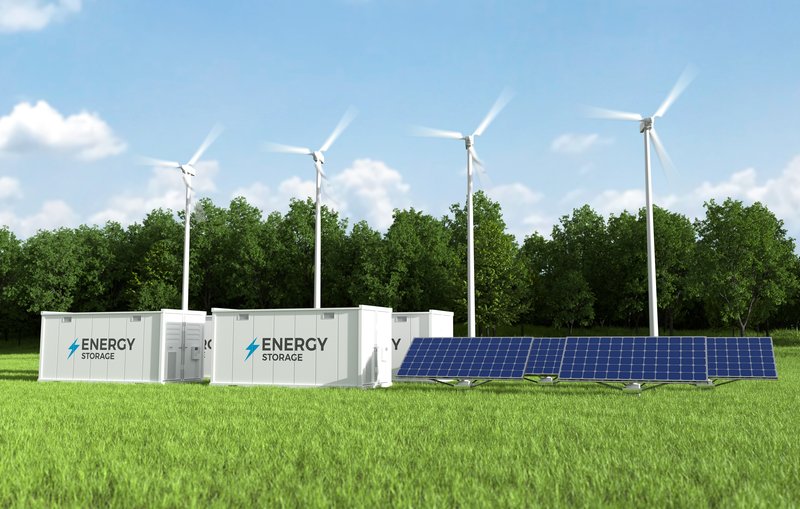
Future electrical interconnections, including those between Greece and Egypt and Greece and Saudi Arabia, as well as the reinforcement of existing connections with Balkan and Southeastern European countries, are expected to facilitate Greece’s transition to a more sustainable and efficient energy infrastructure. Meanwhile, the country has set ambitious targets for energy storage by 2030, though progress so far has been limited. According to the revised National Energy and Climate Plan (NECP), total energy storage capacity is projected to reach 9.3 GW by the target year.
Looking ahead to 2030, it is essential to establish the right conditions to avoid energy oversupply, ensure the long-term viability of energy projects, and reduce investment uncertainty. At the same time, strengthening cooperation with neighboring countries will further promote regional stability and development. The energy sector has often been described as the “oxygen of the economy”, adding value to economic growth and creating new opportunities and jobs. To safeguard one of the most vital pillars of economic activity, well-designed investment and technological strategies with clear direction and planning are essential.
PROTASIS: Empowering the future of energy systems
With extensive experience and expertise in power system studies, protection, automation, and monitoring solutions, PROTASIS continues to evolve in line with international standards and specifications. Now in its third decade of operation, the company provides comprehensive solutions for monitoring and controlling energy assets in photovoltaic and hybrid power plants. By integrating SCADA systems, energy meters, and Power Plant Controllers (PPCs), PROTASIS delivers a unified solution that enables real-time supervision, optimal decision-making, and risk mitigation in upcoming energy and financial transactions.
The article has been published at the Greek Energy edition of energypress.gr, Summer 2024.

