
European countries, including Greece, had to manage their energy security amid an unstable environment, with limited natural gas supplies and strong price fluctuations. In addition, the ongoing pressure to reduce CO₂ emissions and the need to accelerate the transition to renewable energy sources increased demands for new technologies and infrastructure, while also raising concerns about the ability of states to meet energy demand sustainably.
Furthermore, climate change continues to affect energy production, as extreme weather events, such as heatwaves and droughts, impact the performance of renewable energy sources. The need for energy storage and the development of technologies to better manage energy reserves is becoming increasingly urgent. Large-scale storage challenges remain a barrier to fully harnessing renewables, while the necessary transition to more autonomous and sustainable energy systems requires significant investment in new infrastructure and technologies. The challenges are far from over, especially with the upcoming White Paper from the European Commission, expected in 2025, which will bring additional transformation to the European energy market.
Shifting the focus to Greece, we see that we are in an era where renewables are no longer secondary, but are emerging as a game changer capable of reshaping the landscape, urging producers, energy authorities, and businesses to move in the same direction. Energy, particularly electricity, is a high-value commodity, whose planning and management involves unique characteristics and significant challenges, especially regarding large-scale storage. The lack of existing storage projects, for example, slows down the optimal utilization of energy produced by renewables and creates techno-economic disruptions.
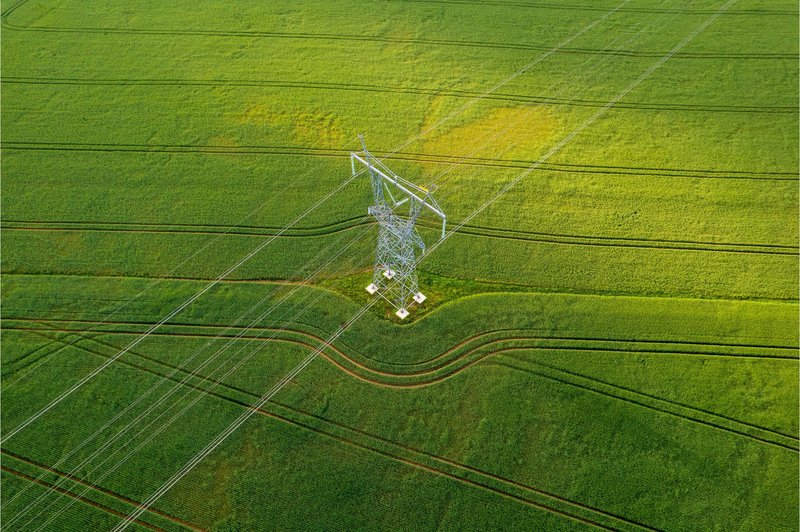
As a result, the measure of forced curtailments has been implemented, at least until the appropriate mechanisms and technological infrastructures are in place to ensure a necessary balance between supply and demand. The recent regulatory measure by the Greek Distribution System Operator, which mandates the installation of remote monitoring and control systems at renewable energy plants, aims to fairly distribute the burden of “green” production curtailments. It also requires producers to be adequately prepared and flexible in order to comply with requirements that demand immediate attention.
This major challenge, both for producers and engineering companies such as PROTASIS, created a "stress test" in the second half of 2024, which confirmed the need for readiness, innovation, and adaptability in order to comply with new regulations responsibly and consistently. The Operator’s goal to monitor and control 70% of production capacity on the distribution network by June 2025 will serve as confirmation of these developments.
PROTASIS will continue to focus on ensuring the techno-economic robustness of the solutions it offers, thereby enhancing the sustainability of the producer’s investment under safe operating conditions.
This article was originally published on December 23, 2024, as part of the energypress.gr feature: "The RES Market Facing a New Reality – Fears and Expectations for the New Year."

